Last updated: October 2026
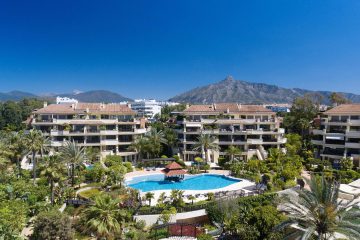
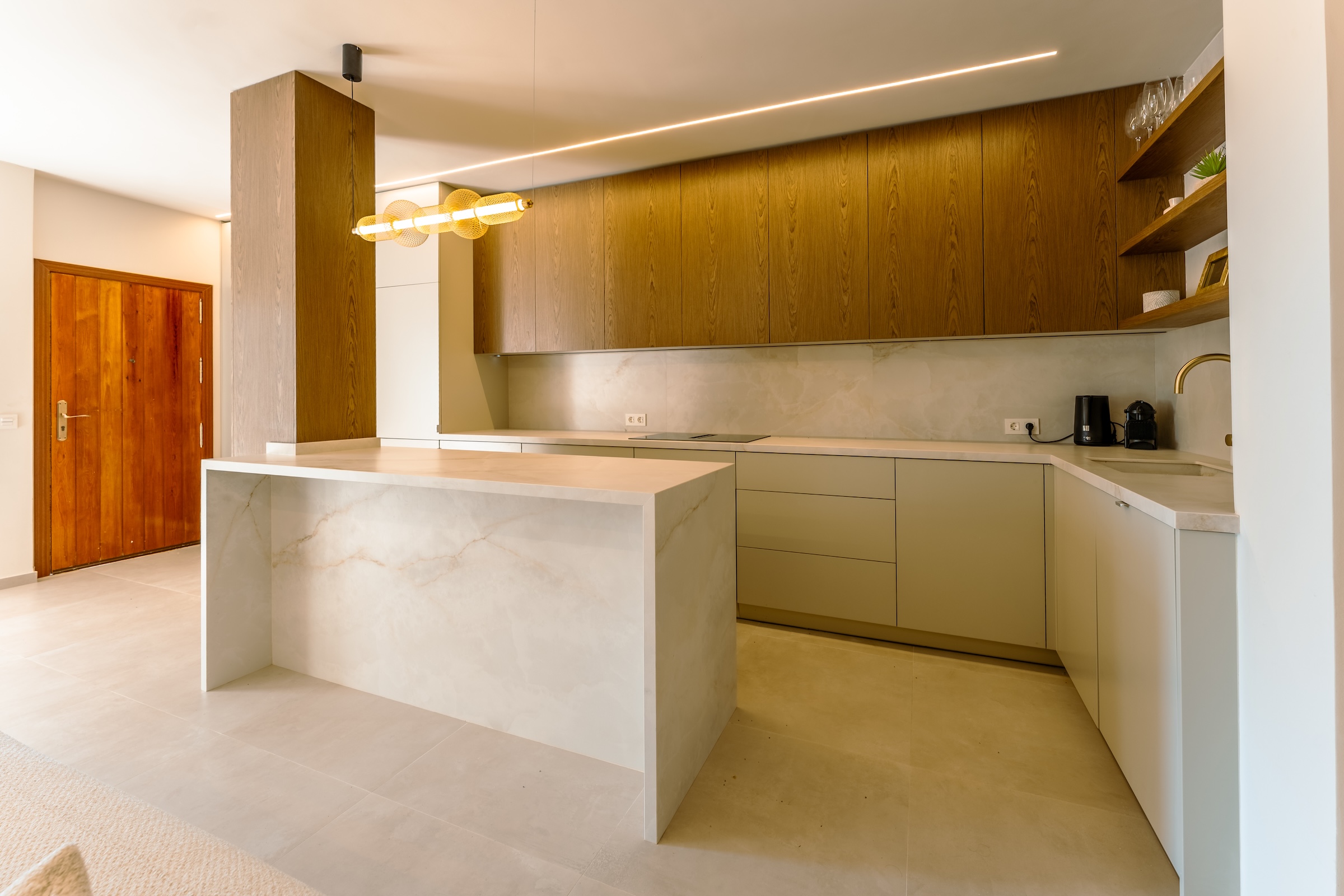
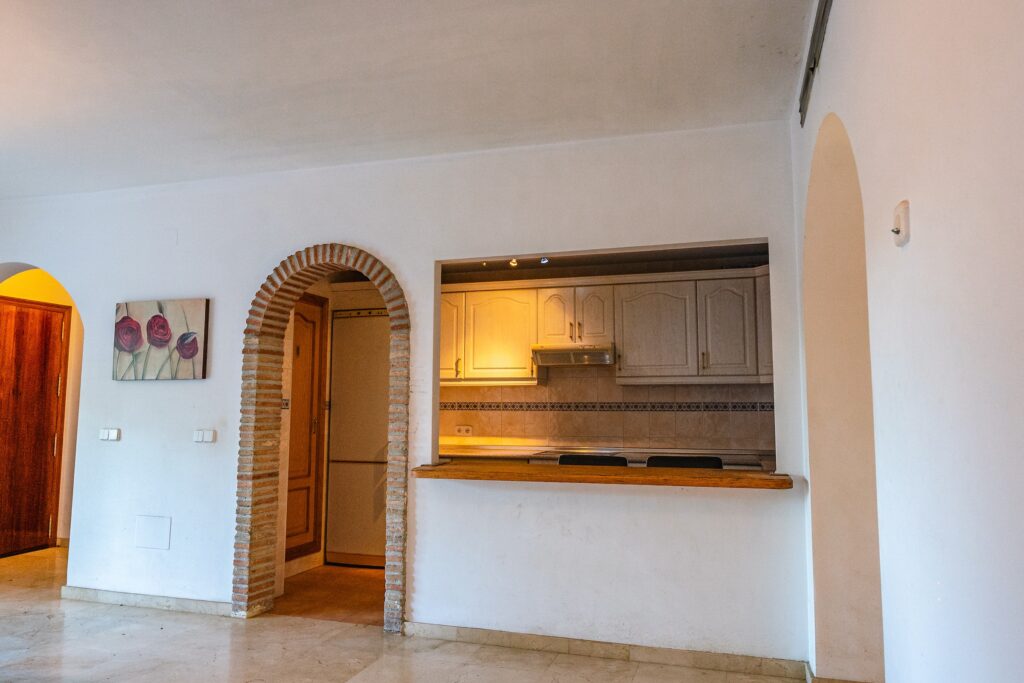
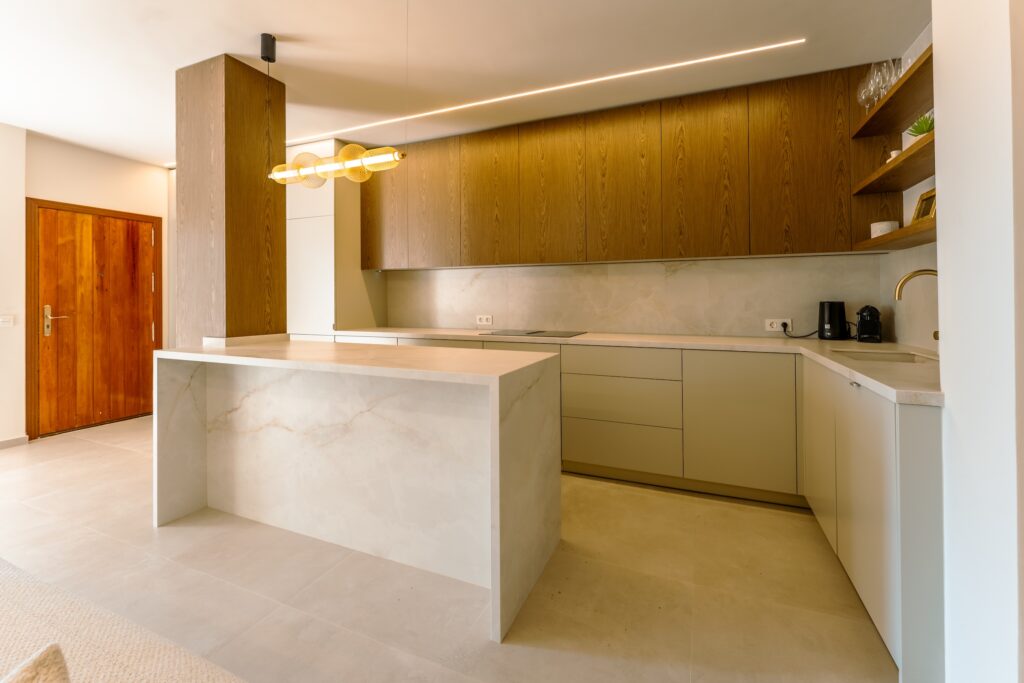
A well-executed renovation is one of the most reliable ways to add value on the Costa del Sol. Much of the resale stock in Marbella, Estepona and Mijas dates from the 1970s to the early 2000s, and buyers pay a clear premium for move-in-ready, modern homes. But the paperwork, the taxes and the realities of Spanish building sites decide whether a project makes money. This guide covers the essentials for renovating property in Marbella in 2026.
Which permit do you need? Declaración responsable vs licencia de obra
Since Andalucía’s LISTA planning law (Ley 7/2021), most renovations no longer need a traditional building licence.
Declaración responsable (most interior renovations)
For works that do not require an architect’s project, a declaración responsable (sworn statement) is filed with the town hall, and works can legally start once a complete file is submitted. This typically covers new kitchens and bathrooms, flooring and tiling, painting, interior carpentry, and renovations of existing buildings that do not change their volume, structure or use.
Licencia de obra (structural and major works)
A full building licence, formerly called obra mayor, is required when a technical project is legally needed. That covers extensions, structural changes, façade and volume changes, new pools in some cases, and changes of use. The town hall has three months by law to decide. In practice, in Marbella, allow 3–6 months for most projects, and longer for complex villa projects.
After the works: declaración responsable de ocupación
The old licencia de primera ocupación has been replaced in Andalucía by a declaración responsable de ocupación o utilización. It is needed after new builds, extensions and changes of use. Ask your architect whether your specific works trigger it.
Marbella’s new town plan (PGOM)
In September 2026 Marbella’s council voted through its long-awaited new town plan (PGOM). It replaces the 1986 plan that had been back in force since the 2010 plan was annulled. Detailed plot-level rules (the POU) are still being processed. For anything beyond interior works, have your architect confirm what is permitted on your specific plot under the current framework before you commit.
Municipal taxes on building works in Marbella
- ICIO (construction tax): 4% of the budgeted construction cost (PEM).
- Licence fee (tasa): about 0.72% of PEM, also payable on a declaración responsable.
Both are self-assessed when you file, and the town hall checks the declared budget against reference values from the College of Architects. Rebates apply to some works such as solar installations and accessibility improvements. On a €150,000 renovation, budget roughly €7,000 in municipal taxes.
Apartments: what your community of owners must approve
- Interior works must be notified to the community, and anything that touches common elements needs community approval. A town hall permit does not replace it.
- Closing a terrace (cerramiento) needs approval by three-fifths of owners holding three-fifths of the quotas, a technical design and municipal authorisation. It is also often refused because it adds built area. Unauthorised enclosures can be ordered removed.
Renovation costs in Marbella per m² (2026)
| Level | Typical scope | Indicative cost per m² |
|---|---|---|
| Cosmetic refresh | Paint, flooring, lighting, fittings | €300–700 |
| Full refurbishment | New kitchen, bathrooms, electrics, plumbing, carpentry, A/C | €900–1,600 |
| High-end / structural | Layout changes, structural work, premium finishes, architect-led | €1,800–3,500+ |
Add 8–12% for professional fees (architect, technical director, health and safety), municipal taxes, and a 10–15% contingency. Older properties regularly reveal surprises in electrics, waterproofing and plumbing. Costs have also risen: construction costs were up about 5% in early 2026, and Spain faces a significant shortage of skilled trades, so reliable crews book up months ahead.
IVA (VAT) on renovation works: 10% or 21%?
Renovation of a home can qualify for the reduced 10% IVA rate instead of 21% when:
- the client is a private individual using the home privately;
- the home was completed more than two years earlier; and
- materials supplied by the contractor do not exceed 40% of the taxable base.
A company renovating to resell generally pays 21%, unless the project qualifies as a full “rehabilitation” under the VAT rules. This makes a real difference to the numbers, so decide the buying structure before you buy.
The numbers behind buy-renovate-resell
A simplified example of the cost stack for a private buyer:
- Purchase: price + 7% ITP + notary, registry and legal fees (about 9–10% in total). See our buying costs guide for Dutch and Belgian buyers.
- Works: construction + IVA + professional fees + ICIO/tasa + contingency.
- Holding costs: IBI, community fees, utilities, insurance, financing for 6–12 months.
- Sale: agency fees, plusvalía municipal, and capital gains tax. Residents pay 19–30% on a sliding scale; EU non-residents pay a flat 19%, and the buyer withholds 3% of the price on account.
Documented renovation costs reduce the taxable gain, so every euro must be invoiced. Cash-paid works are a false saving. If you plan to let the property after renovating, check the holiday rental licence rules first.
Watch out for illegal extensions (AFO)
Many older villas on the coast have unlicensed extensions. Once six years have passed since completion, the council generally can no longer order demolition (except on protected land), and the property may be recognised as asimilado a fuera de ordenación (AFO). But AFO is not legalisation: it only allows safety, conservation and habitability works, not extensions or substantial renovation. For a renovation project, that can kill the business case. Check the Catastro, the Land Registry and the licences against what is actually built before you buy.
Grants and tax deductions
IRPF deductions of 20–60% for energy-efficiency works (with before-and-after energy certificates) were extended into 2026–2027. They mainly benefit Spanish tax residents. Junta de Andalucía rehabilitation grants funded by Next Generation EU target primary residences and lower incomes. Investor projects generally do not qualify.
Timeline: what a typical project looks like
- Week 0–4: survey, scope, design and budget.
- Week 2–6: community notification, filing declaración responsable or licence application.
- Interior renovation: 8–16 weeks on site for an apartment, 4–8 months for a full villa refurbishment.
- Licence-based projects: add 3–6+ months for approval before works start.
Frequently asked questions
Do I need a licence to renovate a kitchen or bathroom in Marbella?
Usually a declaración responsable rather than a full licence. It must still be filed, with ICIO and the fee paid, before you start.
How much does it cost to renovate an apartment in Marbella?
A full refurbishment typically costs €900–1,600 per m² plus fees, taxes and contingency. A 100 m² apartment commonly lands between €100,000 and €180,000 all-in.
How long does a building licence take in Marbella?
Legally three months. In practice, plan for 3–6 months, longer for complex projects.
Can I close my terrace?
Only with community approval (three-fifths majority), a technical design and municipal authorisation, and often not at all if it exceeds permitted built area.
Renovate with Niche Building Group
Niche Building Group is the construction arm of Niche Estates. We handle renovations, full property transformations, electrical and technical works and project management across Marbella, Estepona and Mijas. Because we also sell and rent property, we design renovations around what buyers and tenants actually pay for. See our construction services or request a quote.
Costs and tax rates are indicative and change frequently. This article is general information, not legal, tax or technical advice.